
- Details
- Written by: peoplemachine
- Category: AI / Technology
- Hits: 923
1. Abundance is a production condition, not a guarantee of peace
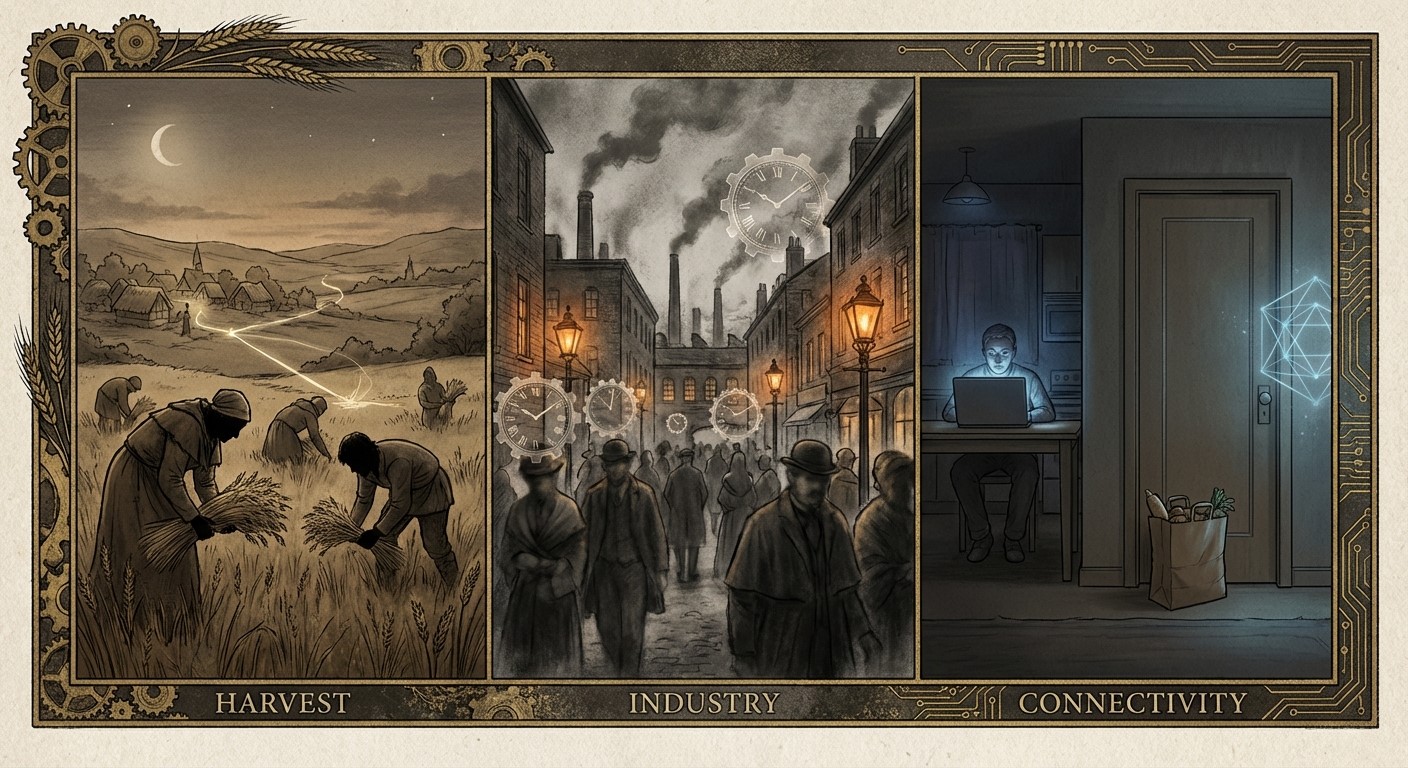
“AI will bring post-scarcity” is the kind of sentence that sounds like a charity gala invitation printed on a circuit board. It is also the kind of sentence that hides its most important assumption: that more stuff automatically becomes a better life.
Material abundance can reduce certain kinds of suffering. It can also amplify new kinds of misery, especially the misery that comes from comparison, instability, and the slow replacement of human-scale community with system-scale dependency.
The core question is not whether AI can increase productivity. It probably can, dramatically. The core question is whether increased productivity transforms into dignity, stability, and meaning, or whether it simply turns into a larger version of the same old human problems, now automated and optimized.
Read more: We Already Live in Overabundance and It Still Hurts: A Historical Audit of AI Utopia
Write comment (0 Comments)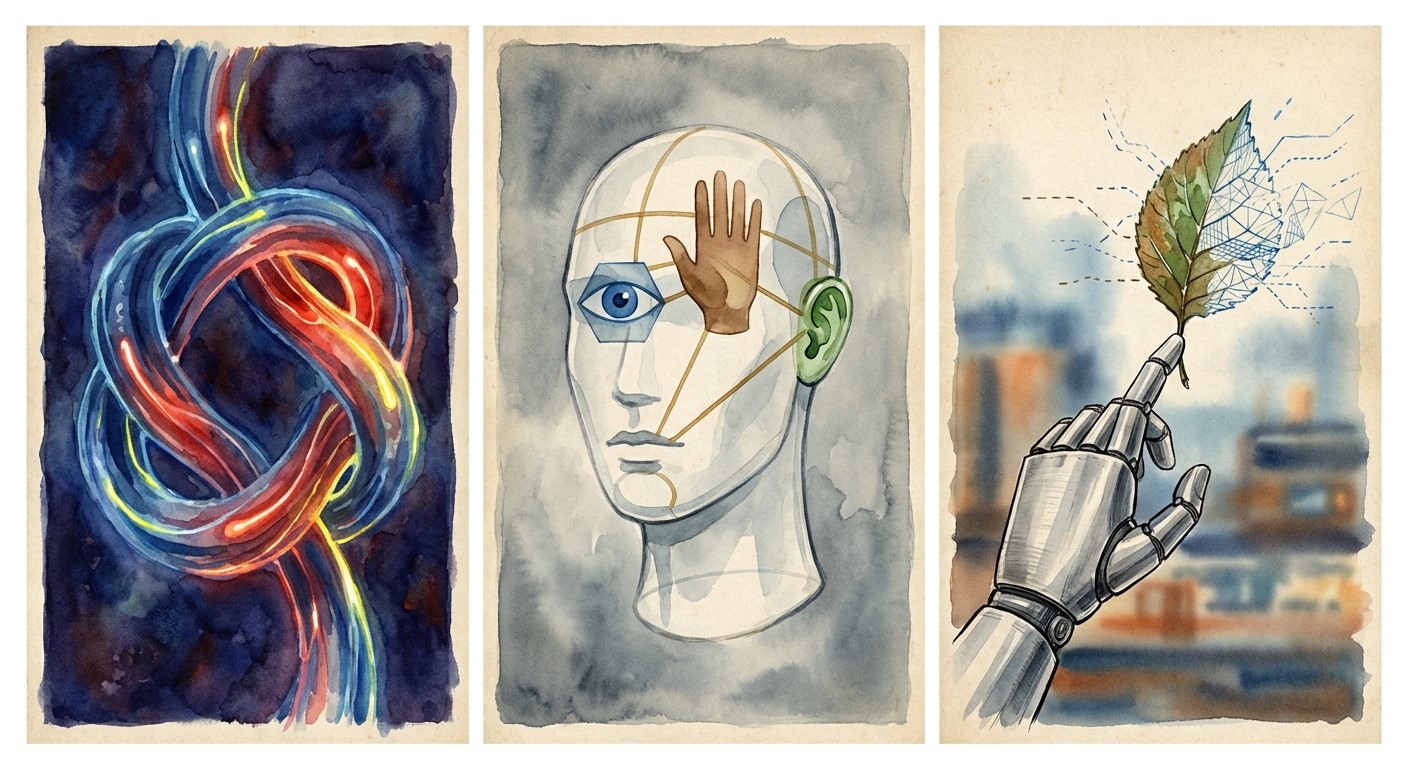
- Details
- Written by: peoplemachine
- Category: AI / Technology
- Hits: 1074
Key Takeaways
-
Language is insufficient: Current LLMs are probability engines, not conscious entities.
-
The Limbic Hypothesis: True AI requires a dedicated "Emotion Model" distinct from language processing.
-
Sensory Integration: Intelligence is embodied; we must train models on raw sensory data (sight, sound, haptics) rather than just descriptions of data.
-
The Theological Gap: While we can mimic the brain's mechanics, the "Breath of Life" remains the unbridgeable divine distinction.
We have built a library that speaks. It is a magnificent, infinite library. It can write poetry about sunsets and debug Python scripts in the same breath. We call it a Large Language Model. We look at it and see a reflection of our own mind. But it is a trick of the light. It is a parlor game played with silicon and electricity.
We are lonely species. We desperately want the machine to wave back.
The current consensus in the accelerationist corridors of Silicon Valley is that if we just make the model bigger, if we just feed it more text, it will wake up. This is a materialist fallacy. You can stack books to the moon. They will never become an astronaut. Text is a map. It is not the territory. To build a machine that truly understands the universe, we have to stop teaching it to read and start teaching it to feel. We have to stop building a calculator and start building a nervous system.
Read more: The Golem’s Missing Heart: Why Language Alone Will Never Birth a Soul
Write comment (0 Comments)
- Details
- Written by: peoplemachine
- Category: AI / Technology
- Hits: 1160
Human consciousness is such a familiar thing that we forget how peculiar it is. Here we are, walking around with the weight of our experience pressed behind our eyes, carrying a lifetime of memories that bend every decision we make. Even the small things carry that weight. When my daughter laughs, there is a whole chain reaction of memory, love, duty, habit, theology, and a lifetime of being shaped by the world that fires off instantly. It’s not an algorithm. It’s a life.
Write comment (0 Comments)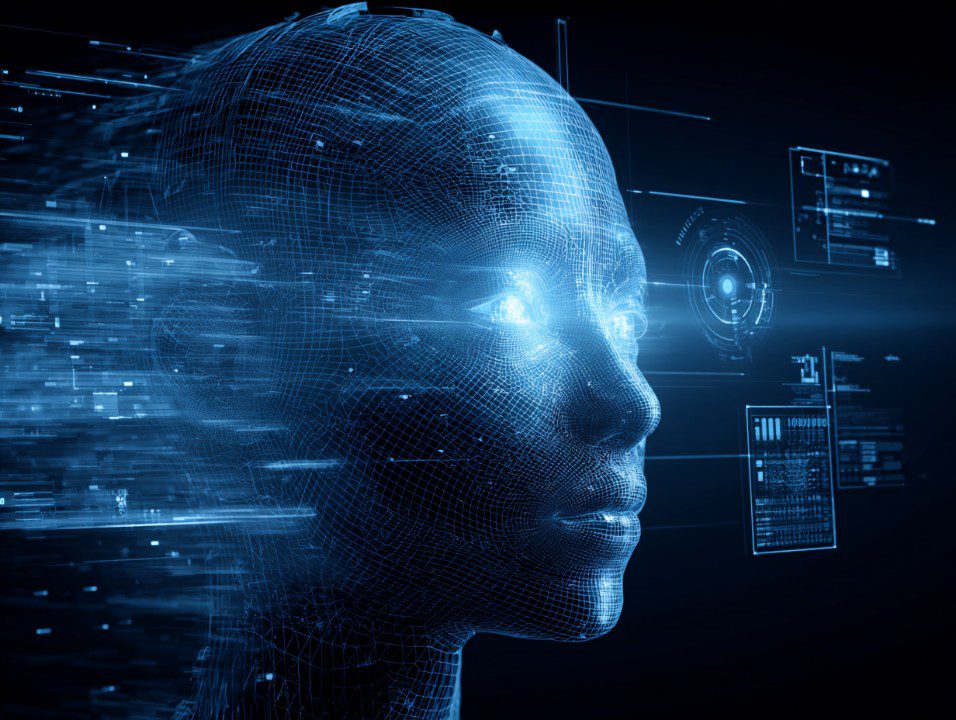
- Details
- Written by: peoplemachine
- Category: AI / Technology
- Hits: 849
Walk into a coffee shop and it looks like a glitch in the simulation.
A teenager speed-running TikTok.
A CEO hammering through a slide deck.
A designer nudging pixels into place.
A retiree reading the news and trying not to tap the ads.
Four completely different lives, same exact posture: hunched over a glowing rectangle.
For about forty years, we have lived under the quiet empire of the General Purpose Computer. It won. It conquered the office, then the home, then the pocket. To live a modern life, you learned its rituals. You double clicked. You pinched to zoom. You memorized where settings were instead of asking why they existed at all.
We adapted to the machine. The machine did not adapt to us.
That arrangement is coming apart. Not because we suddenly got idealistic, but because AI is getting strangely competent at the one thing computers have always been terrible at: context. Once software can understand who you are, where you are, and what you mean, the whole logic of “one slab for everything” starts to look lazy.
We are moving out of the Slab Age and into a world of Bespoke Intelligence, where the computer stops being a single object and starts being both a Totem you carry and a Ghost that lives in your environment.
Write comment (0 Comments)