
- Details
- Written by: peoplemachine
- Category: Economics/Politics
- Hits: 1040
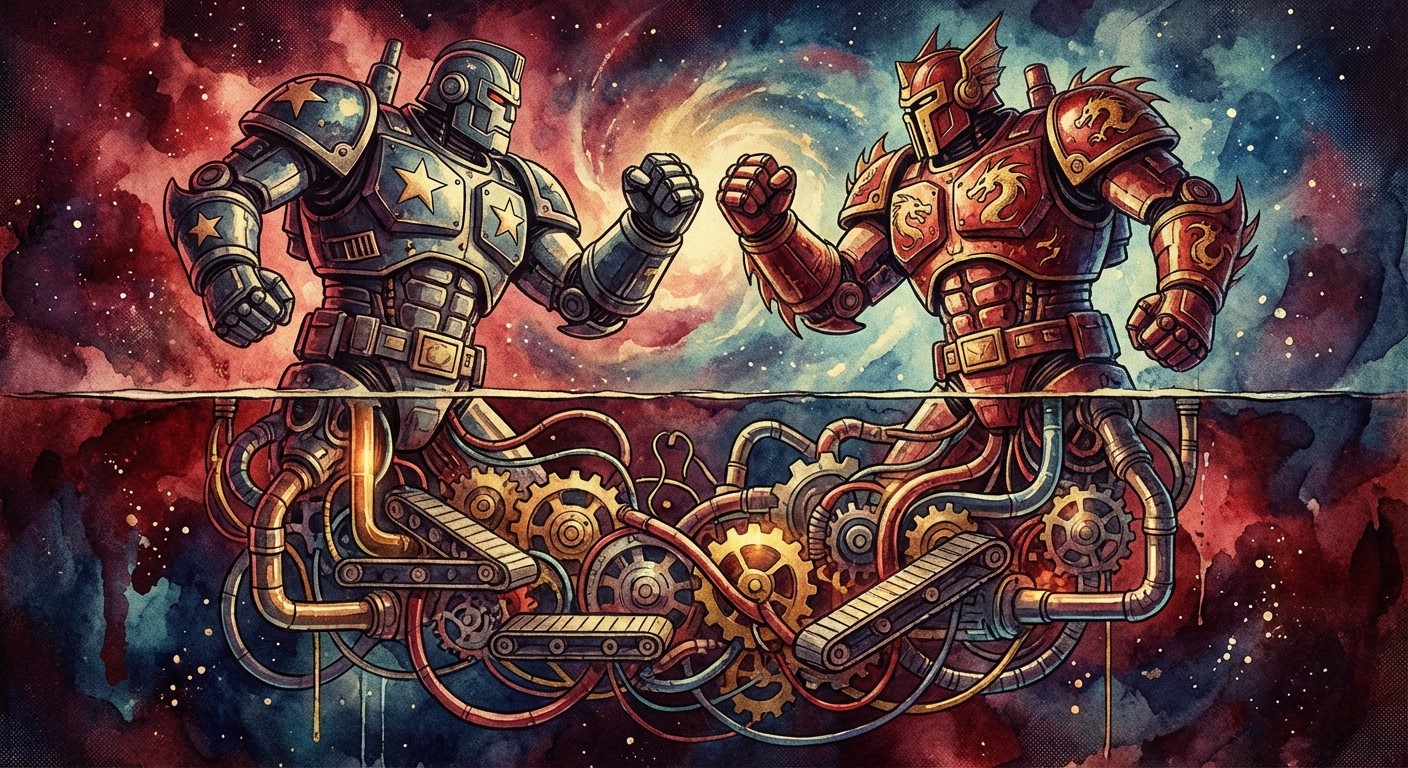
If you lived on headlines alone, you would think the United States and China are always one bad Tuesday away from World War III.
But then you look at the labels on your gadgets, at where your company’s supply chain runs, at which foreign markets Wall Street tracks like a weather report, and a quieter reality appears. The “enemy” is also the factory, the customer, the creditor, and the counterparty.
That gap between the story and the structure is what bothers me.
If this is truly an existential, civilization level showdown, why are trade flows still measured in the hundreds of billions, global manufacturing still anchored to Chinese capacity, and American allies still trying to hug Washington for security while courting Beijing for prosperity?
At some point I had to admit: this is not just about geopolitics. It is also about narrative. A powerful rival is very useful. Useful for politicians. Useful for militaries and defense contractors. Useful for tech giants. Sometimes even useful for social control.
So here is my attempt to pull those layers apart, as a Christian husband and father of a daughter who will grow up in this world and inherit whatever we build or destroy.
Read more: US vs China: Real Rivalry or Carefully Managed Simulation?
Write comment (0 Comments)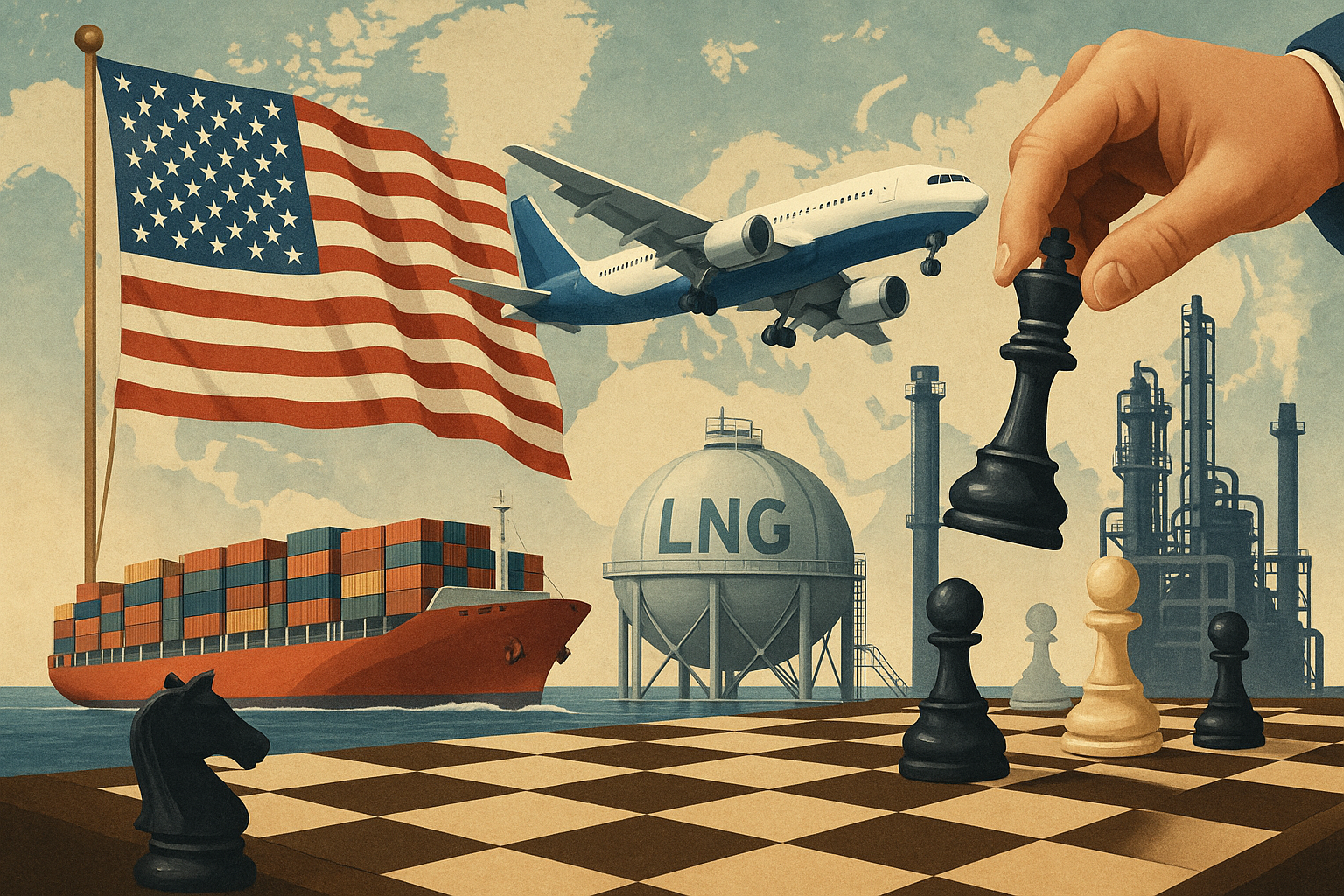
- Details
- Written by: peoplemachine
- Category: Economics/Politics
- Hits: 1358
I’m a Christian husband, dad, and lifetime nerd who loves to connect dots—sci-fi to spreadsheets, cockpit checklists to Proverbs. And right now, the “geo-political-economical game” around U.S. exports feels a lot like a boss fight with multiple health bars: policy, perception, and production. The current administration is leaning on big-ticket American exports—planes and energy—to rebalance relationships, soothe trade tensions, and signal strength. Companies like Boeing and U.S. LNG producers are catching that tailwind, but only where execution matches the optics.
Write comment (0 Comments)